
Guest Expert
Taking ADHD/LD from Stress to De-Stress
Kids with ADHD are constantly stressed by demands that put them in overdrive. They wonder why school is so hard – so frustrating – so maddening. Depending on the research, anywhere from 30-50% of these kids also have specific learning disabilities (SLD) in addition to ADHD. While many may know they “have it,” most do not have a good understanding of ADHD or their other diagnoses. Download a free tipsheet "Top 10 Ways to Stop Meltdowns in Their Tracks" to stop yelling and tantrums from everyone! As a result, these kids don’t understand why they face challenges everyday that look really easy for other kids, but are major hurdles for them. So they respond in predicable ways: What they don’t do is grab this invisible bull by the horns and wrestle it to the ground. Why? Because they don’t know what’s causing the difficulty, and they don’t believe they can do anything about it. In short, they are not in control of their own academic destiny. Why is this important? When people don’t believe they have any control over the factors that threaten their physical or psychological safety, they are under stress. Good stress gets us ready for a challenge. It says, “don’t sweat this (literally) – we can handle this. We see the problem and know how to solve it – so hunker down and make this threat go away!” Bad stress sends our brains the message that “unless you get out of here now, something bad is going to happen.” The kids that I’ve described above are under chronic, bad stress. Here’s the good news. Teaching kids about their conditions (SLD and/or ADHD) helps them relieve stress by getting a sense of power over these impediments. When kids learn strategies that lead to increased success, they get a greater sense of control, experience less stress, and avoid the cumulative toxicity that impairs brain function. In other words, the continuous stress cycle is a reversible process! When parents, teachers, other professionals – and most importantly the kids, themselves – understand this phenomenon, they can identify new ways to interpret students’ efforts to “escape” stressful situations. Behaviors that are oppositional or defiant will no longer be misread and mislabeled as rude or disrespectful. There are many things you can do to help your kids understand the nature and the consequences of their ADHD/LD. See my book for suggestions on talking with your kids, and helping them understand what they can do to work through or around their disabilities. You may also read Keath Low’s article on 5 Talking Points your Kids needs to know about ADHD, or Diane Dempster’s 3 Tips in Parenting ADHD. In all of these suggestions, make an effort to focus on the process more than the product. This can make learning a safer, more satisfying experience for students. These strategies should help to make your ADHD kid’s learning less stressful, lessen anxiety, and build competence and confidence. I encourage you to add to this list and pass it on to others, and invite you to email your ideas to me via my website at www.jeromeschultz.com. Download a free tipsheet "Top 10 Ways to Stop Meltdowns in Their Tracks" to stop yelling and tantrums from everyone!
ADHD/LD and Stress
Article continues below...
Minimize Meltdowns!
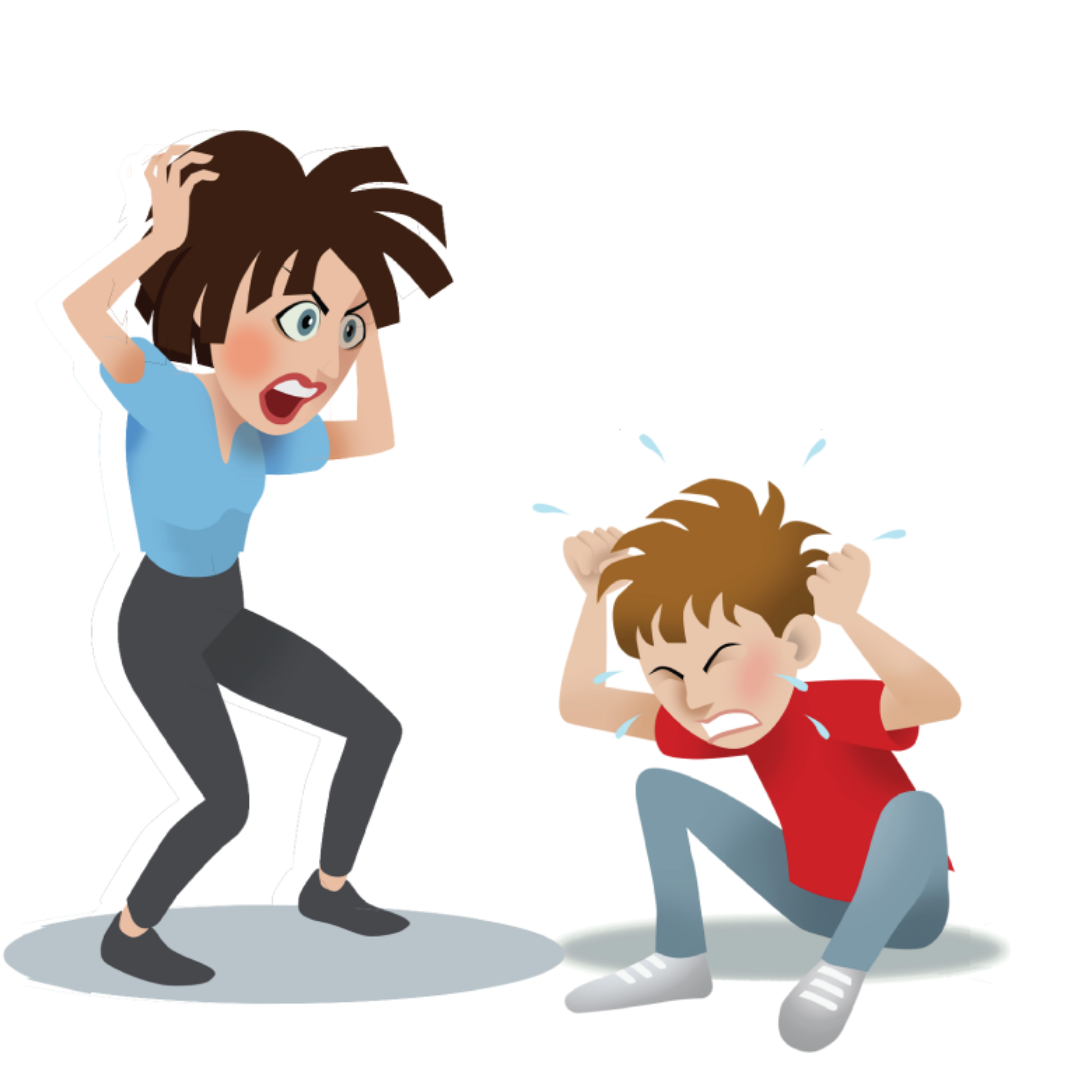
In a simplified way, this is what the Stress Process looks like:
In addition, here are some suggestions that you might try:
Minimize Meltdowns!
