
3 Steps to Respond Without Reacting
Ever walked away from a conversation thinking, “Why on earth did I say that?” Download a free tipsheet "Top 10 Ways to Stop Meltdowns in Their Tracks" to stop yelling and tantrums from everyone! Are you plagued with “foot in mouth disease?” Do you find yourself asking, “How do I stop reacting to my kids?” or “Is there a way to respond without reacting?” Rather than allowing default tendencies and unconscious mindsets to dictate your life, you can respond to life’s circumstances with more intention and less reaction. For starters, being fully present and conscious can make all the difference between reacting and responding. As humans, we have the blessing – and the challenge – of memory and reason. We stereotype and make assumptions based on past experiences and emotions, often without even thinking. Stereotyping makes it easier for the brain; we make generalizations so that we don’t have to process everything that happens to us. Sometimes, though, we take it to the extreme. For many of us, we tend to hold grudges or get stuck on initial interpretations. A friend of mine didn’t name her son Nicholas, even though it was her husband’s favorite name, because she was reminded of a former co-worker who had made her feel insane. When you add emotions to the mix, it gets really complicated. Even if our rational brain understands what is “really” going on, underneath the surface lies an array of automated emotional responses that leap forward at inopportune moments. These emotional responses can be described as “disowned selves.” Think about life as a car ride. Our primary personalities (e.g., responsible, attentive, orderly) are driving in the front seat, while our disowned selves are chauffeured around in the back seat. Every once in a while, unannounced, one of the back-seat personalities dramatically takes the wheel – either slamming on the breaks or hitting the accelerator – and there we are, in full-blown, unconscious reaction mode. How can we avoid falling victim to old reactions and patterns? One trick that I’ve been playing with lately is breathing. (I’m working on it, but I am certainly a long way from mastery.) Before reacting to any situation, I take a breath and let it out slowly. This can give me time and space from my default, automatic responses. It allows me to respond as my conscious adult (from the front seat) rather than my frantic five-year-old (in the back seat). A key part of the responsibility of owning our responses is This is true, especially with our kids. How powerful (and often difficult) to admit our humanness and help the next generation learn to manage even more effectively. Finding compassion for others in our lives while going through this reactive cycle is another piece of the puzzle. It’s much more likely that your husband’s inner five-year-old is arguing with you, not his conscious adult. Think about understanding and accepting all parts of each other. Decide that you are willing to be the grown-up in a situation, and call a time out until the real you (or him) can come back to the table. When you become aware of your tendencies and start responding more consciously, you can stop reacting to your kids. You’ll begin to notice a world of changes in all aspects of your relationships and your family dynamic. Goodbye tantrums, hello peace… Download a free tipsheet "Top 10 Ways to Stop Meltdowns in Their Tracks" to stop yelling and tantrums from everyone!
Article continues below...
Minimize Meltdowns!
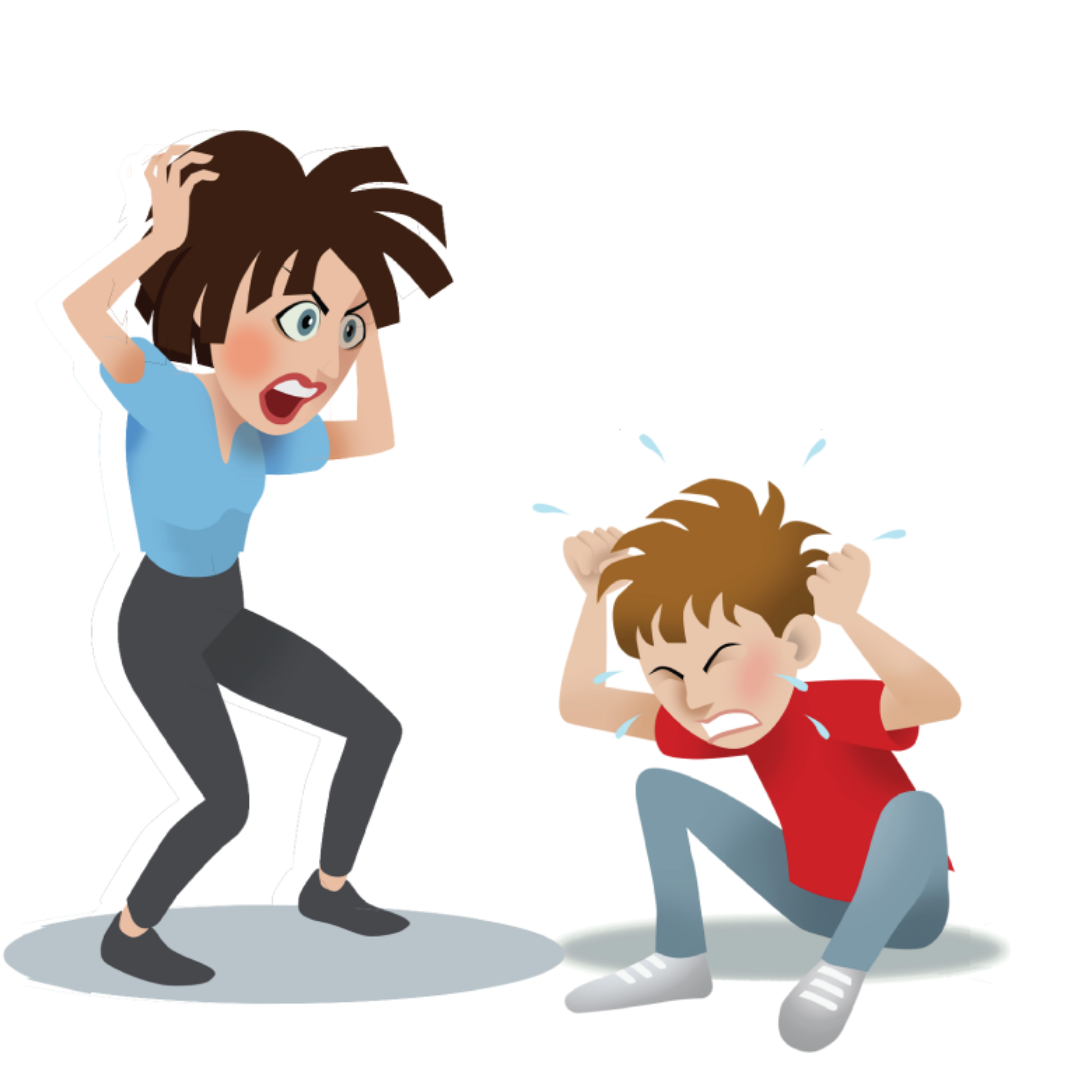
Reacting vs. Responding
Emotional Responses
3 Steps to Managing Reaction
In the long run, this will help us and our kids.
Taking Ownership of Your Emotions
STOP Meltdowns In Their Tracks
Get your FREE Parent’s Guide!Minimize Meltdowns!
